
Key Takeaways
- Modern HVAC systems boost energy efficiency, lowering long-term utility costs for homeowners.
- Intelligent control and smart technology integrations offer both convenience and operational insights.
- Consistent maintenance and timely upgrades preserve system performance and extend equipment lifespan.
Table of Contents
- Energy-Efficient HVAC Systems
- Smart Technology Integration
- Importance of Regular Maintenance
- Upgrading to Modern Systems
- Indoor Air Quality Improvements
- Cost-Benefit Analysis
- Choosing the Right HVAC Professional
- Conclusion
Ensuring your home’s heating, ventilation, and air conditioning (HVAC) system is up to date is fundamental for maintaining comfort, reducing utility costs, and preparing your property for the future. With new technology constantly emerging, investing in modern HVAC solutions can safeguard your investment while offering immediate benefits for your everyday life. For homeowners looking to maximize both performance and flexibility, exploring reputable brands such as MRCOOL is a great way to discover advanced, customizable ducted systems tailored for today’s needs.
Modern HVAC upgrades are not just about increased convenience. They directly enhance how you manage climate, improve air quality, and even contribute to the long-term value of your home. With energy usage among the highest household expenses, the advantages of cutting-edge heating and cooling strategies are now more compelling than ever. These solutions also support healthier living environments, adapt to your routine with smart controls, and help you stay ahead of evolving efficiency standards and environmental regulations.
Making these upgrades is an investment in both comfort and sustainability. Every incremental improvement, from better insulation to integrated smart thermostats, brings cumulative savings and ease of mind, while positioning your home to meet emerging industry standards and homeowner expectations.
Whether you’re working with an existing system or installing a new one, understanding the practical aspects of future-proofing your HVAC will help you make choices that deliver ongoing value and performance.
Energy-Efficient HVAC Systems
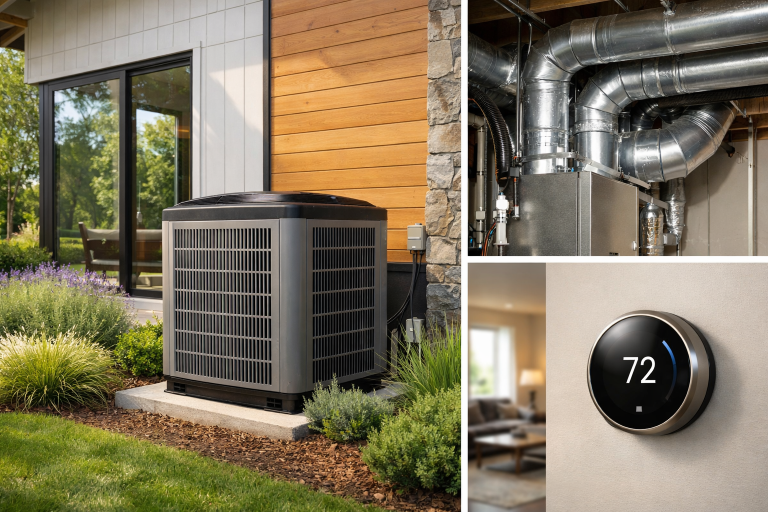
Switching to energy-efficient HVAC systems makes a noticeable difference in both performance and operating costs. According to the U.S. Department of Energy, nearly half of the average American home’s energy consumption is dedicated to heating and cooling. By upgrading to high-efficiency systems, such as ENERGY STAR-certified heat pumps or variable-speed air handlers, homeowners can dramatically reduce energy use and their environmental impact. These advanced systems are designed to optimize performance, using sophisticated compressors and fans that constantly adjust to current demand rather than cycling on and off, reducing waste and wear while supporting year-round comfort.
Smart Technology Integration
Integrating smart technology is revolutionizing the way homeowners interact with their HVAC systems. Devices such as Wi-Fi-enabled thermostats, occupancy sensors, and remote diagnostic tools allow users to set and modify schedules, view usage trends, and receive maintenance reminders on their smartphones or other devices. These systems can even learn homeowner habits and preferences, making real-time adjustments to maximize comfort and efficiency. As smart HVAC adoption grows, it is rapidly becoming an expectation in new homes and major renovations. Home automation platforms now seamlessly integrate climate control with other household systems, creating a unified, responsive living environment. For further insight, Bob Vila’s guide to the best smart thermostats of 2026 offers detailed reviews and comparisons to help guide purchase decisions.
Importance of Regular Maintenance
One often overlooked aspect of future-proofing HVAC systems is scheduled maintenance. Regularly replacing air filters, cleaning ductwork, and arranging periodic professional inspections are essential to keep your system running efficiently and to catch potential problems before they turn into costly breakdowns. Well-maintained HVAC systems not only perform better but also last longer and retain their warranty protections. Simple actions like checking for leaks, ensuring proper refrigerant levels, and cleaning condenser coils can have a lasting impact on energy efficiency and indoor air quality.
Upgrading to Modern Systems
If your existing HVAC system is more than a decade old, it may not meet current regulatory standards for efficiency and environmental protection. Upgrading to the latest models brings a host of benefits, from quieter operation to improved temperature consistency and humidity control. Many advanced systems offer zoned climate control, allowing for independent heating and cooling in different areas of the home, a feature that enhances comfort and can further reduce utility costs. Companies such as Carrier and Trane have launched next-generation solutions that address both efficiency needs and advanced technology integration, helping homeowners easily transition to greener systems.
Indoor Air Quality Improvements
The function of HVAC systems extends beyond temperature management; they also play a crucial role in preserving healthy indoor air quality. Modern solutions often include high-performance filtration, ultraviolet (UV) air purification, and humidity balancing features. These enhancements help remove allergens, dust, mold spores, and harmful pollutants from the air. Enhanced ventilation and humidity control are particularly significant for households with respiratory sensitivities, as they help prevent the spread of airborne contaminants and maintain a comfortable living environment year-round.
Cost-Benefit Analysis
Upgrading your HVAC system requires an upfront investment, but the long-term financial advantages can be significant. Reduced energy bills, fewer emergency repairs, and access to federal or local tax incentives all contribute to making modernization worthwhile. Moreover, energy-efficient systems often increase property value and appeal to potential buyers, making your home more competitive on the market. Careful research and planning can ensure that your project delivers the best possible returns, both financially and in terms of comfort.
Choosing the Right HVAC Professional
Entrusting your home’s comfort and safety to a qualified HVAC professional is crucial. Seek out licensed technicians who have substantial experience with the model or system you plan to install. Reading reviews, requesting references, and requesting clear, itemized estimates can help ensure an efficient, professional installation. Additionally, reputable contractors usually offer maintenance plans, which can make ongoing care easier and more cost-effective.
Conclusion
Preparing your home for the future starts with reliable, efficient, and flexible HVAC equipment. By embracing current technologies, opting for energy-saving upgrades, and prioritizing system maintenance, homeowners can enjoy a more sustainable, comfortable, and prosperous living space for years to come. Investing in modern HVAC solutions is not just about keeping up with trends; it is about confidently navigating the changing landscape of home comfort and efficiency.