

Key Takeaways
- Understanding the latest trends in home renovation can enhance both functionality and property value.
- Incorporating sustainable materials and smart technology is becoming increasingly popular among homeowners.
- Proper planning and budgeting are essential for a successful remodeling project.
Introduction
Today’s homeowners are reimagining their living spaces with innovative remodeling strategies that reflect both personal style and modern needs. Whether expanding living areas, updating interiors, or reconfiguring layouts, the drive to create a comfortable and efficient environment has revolutionized residential design. With professionals such as a basement contractor delivering specialized services, homeowners have a wealth of resources to bring their renovation visions to life.
In the rapidly evolving world of home renovation, new trends and technologies emerge each year. Staying informed about these changes ensures that your remodeling project remains relevant and valuable, both in terms of style and market appeal. Modern remodels focus not just on cosmetic upgrades but also on improved functionality, sustainability, and integration of smart technologies.
Current Trends in Home Renovation
Understanding current home renovation trends can help you prioritize updates that matter most. Reports consistently highlight kitchens and bathrooms as primary targets for remodeling, given their substantial return on investment and everyday use. Open floor plans and multifunctional spaces have also taken center stage, allowing homes to adapt to shifting daily life patterns, such as remote work and flexible family gatherings.
Statement finishes, bold fixtures, and creative uses of color are dominating design choices. Minimalist cabinetry, marbled countertops, and matte black hardware are favored for their ability to offer contemporary aesthetics without sacrificing functionality. According to Architectural Digest, blending timeless styles with trending textures is key to achieving a fresh yet enduring appeal in home projects.
Another emerging trend is the emphasis on wellness-focused spaces, as homeowners seek to promote health and relaxation in their homes. Integrating biophilic design elements, such as large windows that let in natural light, indoor greenery, and living walls, has gained momentum. These features not only enhance aesthetic appeal but are also linked to improved mental well-being and increased productivity, making them highly desirable additions to contemporary interiors.
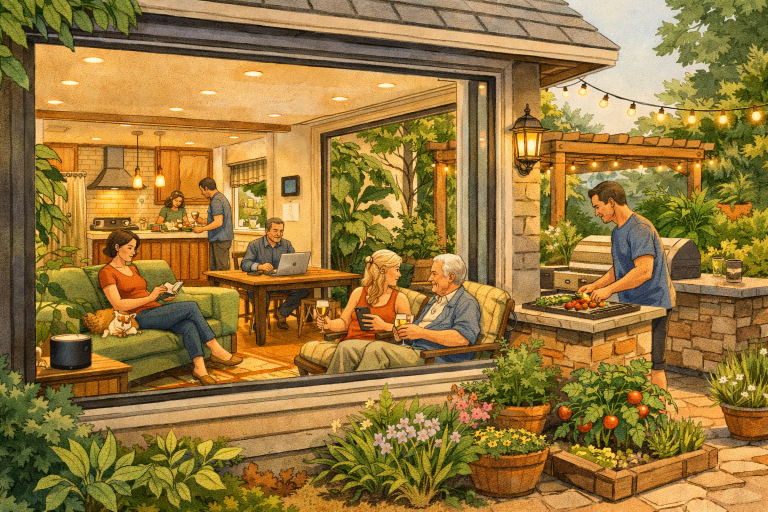
Outdoor living spaces are also being prioritized, as people look to extend the comforts of home to patios, decks, and gardens. Incorporating amenities such as outdoor kitchens, fire pits, and weather-resistant lounge areas increases the functionality and year-round usability of exterior areas. This seamless indoor-outdoor connection supports versatile entertaining and personal relaxation, reflecting the modern desire for adaptability and comfort in all aspects of the home environment.
Incorporating Sustainable Materials
Renovating with the environment in mind has become a major consideration for both contractors and homeowners. Rising awareness of climate change and resource conservation is driving demand for eco-friendly solutions. Sustainable materials such as bamboo, cork, recycled metal, and reclaimed wood are often used to reduce environmental impact and create healthier indoor environments.
These materials offer multiple benefits. They often feature naturally renewable sources, require less processing energy, and contribute to improved indoor air quality by minimizing off-gassing found with synthetic products. The increased use of LED lighting, energy-efficient appliances, and low-flow plumbing fixtures supports a complete green renovation approach while helping reduce utility costs over time. According to the U.S. Environmental Protection Agency (EPA), such choices can yield long-term benefits for homeowners and the planet.
Additionally, installing energy-efficient windows and improving insulation significantly improves a home’s performance, reducing heat loss and minimizing the need for excessive heating or cooling. Water-saving technologies such as rainwater harvesting systems and drought-tolerant landscaping are also increasingly featured in renovation plans, particularly in regions affected by water scarcity. These measures contribute to a holistic sustainability approach, demonstrating that even small upgrades can make a meaningful difference. Some homeowners are also interested in using locally sourced materials, which supports community economies and reduces transportation-related emissions.
Smart Home Integration
Smart technology has become increasingly accessible and affordable, bringing convenience and control into every room. Integrating features such as smart thermostats, intelligent lighting systems, connected security cameras, and wireless entertainment systems enables homeowners to manage their spaces remotely. The ability to adjust temperature, monitor security, or set lighting scenes from a smartphone or virtual assistant adds a new level of ease to daily routines.
The functional benefits of smart integration go beyond comfort. Automated systems can track energy consumption, detect inefficiencies, and provide data-driven insights to help reduce waste and boost savings. Voice-control compatibility and app-based management make these innovations easy to use for people of all ages and lifestyles. According to CNET’s guide to smart home upgrades, adopting these technologies can increase a property’s value while providing families with peace of mind.
Furthermore, innovations in home automation now include advanced security and health monitoring. From motion-sensing cameras and smart locks to air quality monitors and leak detection devices, technology can help keep the home safe and healthy. As these devices become more integrated, homeowners gain real-time feedback and remote management, making homes more responsive to both emergencies and daily needs. Future developments may include even more personalization, such as adaptive lighting or voice-activated appliances tailored to individual preferences, signaling that smart home technology will remain a central component in modern renovations.
Planning and Budgeting
Successful remodeling projects always begin with careful planning and clear financial guidelines. Homeowners should start by defining their goals: do they want more space, an improved layout, greater energy efficiency, or an updated look? Clear goals help guide design decisions and ensure budgets are allocated to the most important features. Consulting with experienced contractors and specialists early in the process is crucial to understanding the scope and feasibility of ideas.
Creating a detailed budget accounts for all expenses: labor, materials, permits, and contingencies for unexpected discoveries. Transparent communication with contractors enables proactive problem-solving and prevents cost overruns. Prioritizing needs over wants and considering phased approaches (such as completing key rooms first) can also help keep the project on schedule and within financial reach.
A thorough planning process should also include timelines, regulatory requirements, and possible disruptions to daily life. Factoring in lead times for material deliveries, coordinating subcontractors, and preparing for potential delays, such as backorders or permit approval delays, can reduce stress and frustration. Additionally, maintaining an emergency fund within the budget provides a safety net for unplanned expenses, such as hidden structural issues or design changes. By involving all decision-makers early and documenting preferences, the risk of miscommunication is minimized, setting the stage for a smoother remodeling experience.
Conclusion
Modern residential remodeling blends thoughtful design, sustainable innovation, and smart technology to create homes that are beautiful, comfortable, and future-ready. Homeowners who invest in trending enhancements and environmentally friendly choices enjoy spaces that not only meet today’s needs but are positioned to retain value for years to come. Staying informed about best practices, working with trusted professionals, and committing to strategic planning ensure every step of your remodeling journey is a success.
As the home continues to serve as a central hub for work, leisure, and family life, prioritizing quality upgrades and resilient design becomes increasingly important. Whether your focus is on large-scale transformations or small, incremental changes, staying up to date with evolving trends and prioritizing sustainability will ensure your home remains both modern and functional. The ultimate goal is to create a sanctuary that mirrors your lifestyle, supports your well-being, and adapts gracefully to the future.


